
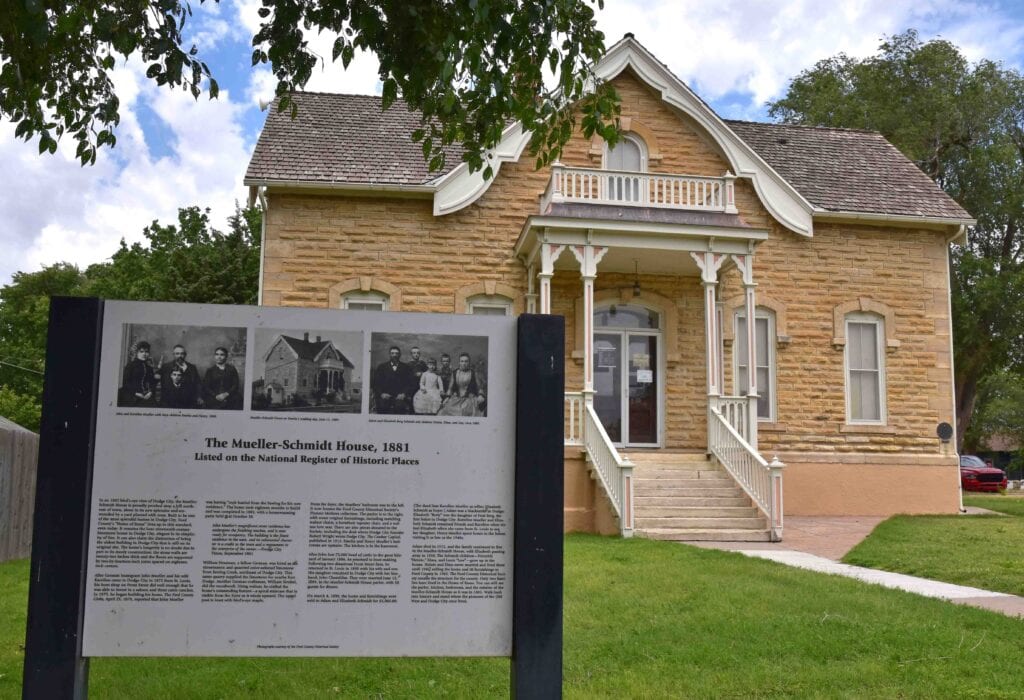
While the famous gunfight stories and cattle drives are legends of Dodge City, we found a quieter piece of the city’s past. Perched on a hill overlooking the Arkansas River Valley sits the Mueller-Schmidt House. This place tells the story of the families who helped transform a rough frontier settlement into a thriving community. While many visitors come to Dodge City expecting tales of Wyatt Earp and Boot Hill, this remarkable home reveals what everyday life looked like for the hardworking people who built the town.
Constructed in 1881, the Mueller-Schmidt House is the only limestone residence ever built in Dodge City and the oldest building still standing on its original site. That alone makes it worth a visit, but its story becomes even more compelling once you step inside. Nearly every room preserves a glimpse into the lives of the Mueller and Schmidt families, offering a rare opportunity to experience the comforts, challenges, and traditions of a prosperous Kansas household during the late nineteenth century.
Unlike many frontier homes that were built of wood, John Mueller chose limestone, a decision that reflected both his success and his confidence in Dodge City’s future. Wood was expensive on the western prairie because few trees grew naturally in the area, and much of the lumber had to arrive by rail. Limestone, however, could be quarried nearby along Sawlog Creek. The durable stone provided better protection from prairie fires and harsh Kansas weather while creating a home unlike any other in the city. More than 140 years later, that decision continues to set the house apart.
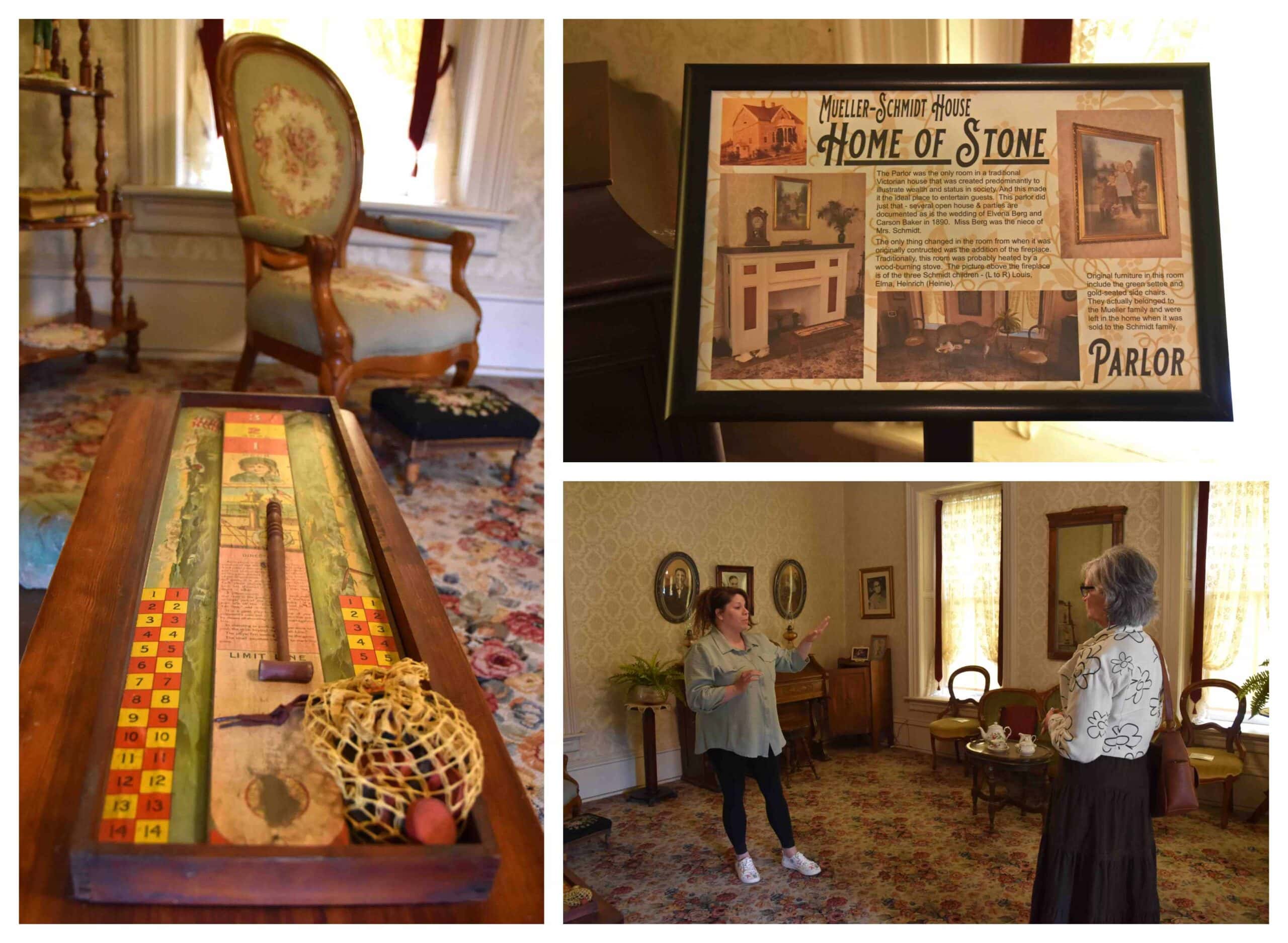
The Parlor Welcomes Visitors Into the Past
Our tour began in the elegant front parlor, where polished walnut furniture and Victorian décor immediately transported us to another era. Rather than feeling like a museum exhibit, the room felt as though the family had stepped outside for the afternoon.
As we settled in, our guide introduced us to John Mueller, a German immigrant who arrived in Dodge City with the skills of a master bootmaker. Like many ambitious entrepreneurs on the frontier, he recognized opportunities beyond his original trade. Over time, he expanded into ranching, real estate, and the saloon business, eventually becoming one of the city’s most successful businessmen.
Construction of the home began in 1879 under the direction of German stonemason William Hessman. The limestone was carefully cut from nearby quarries, while craftsman William Strubel produced much of the home’s beautiful interior woodwork. After nearly eighteen months of work, the Mueller family celebrated their new home with a grand housewarming in October 1881.
One of our favorite stories from the parlor involved Mueller’s daughter, Emelia, whose wedding took place in this very room in 1889. More than fifty guests gathered inside for an evening of music, dancing, and celebration. It was easy to picture the laughter filling the room and imagine how proud the family must have been to welcome friends into one of Dodge City’s finest homes.
Everyday Life Began in the Kitchen
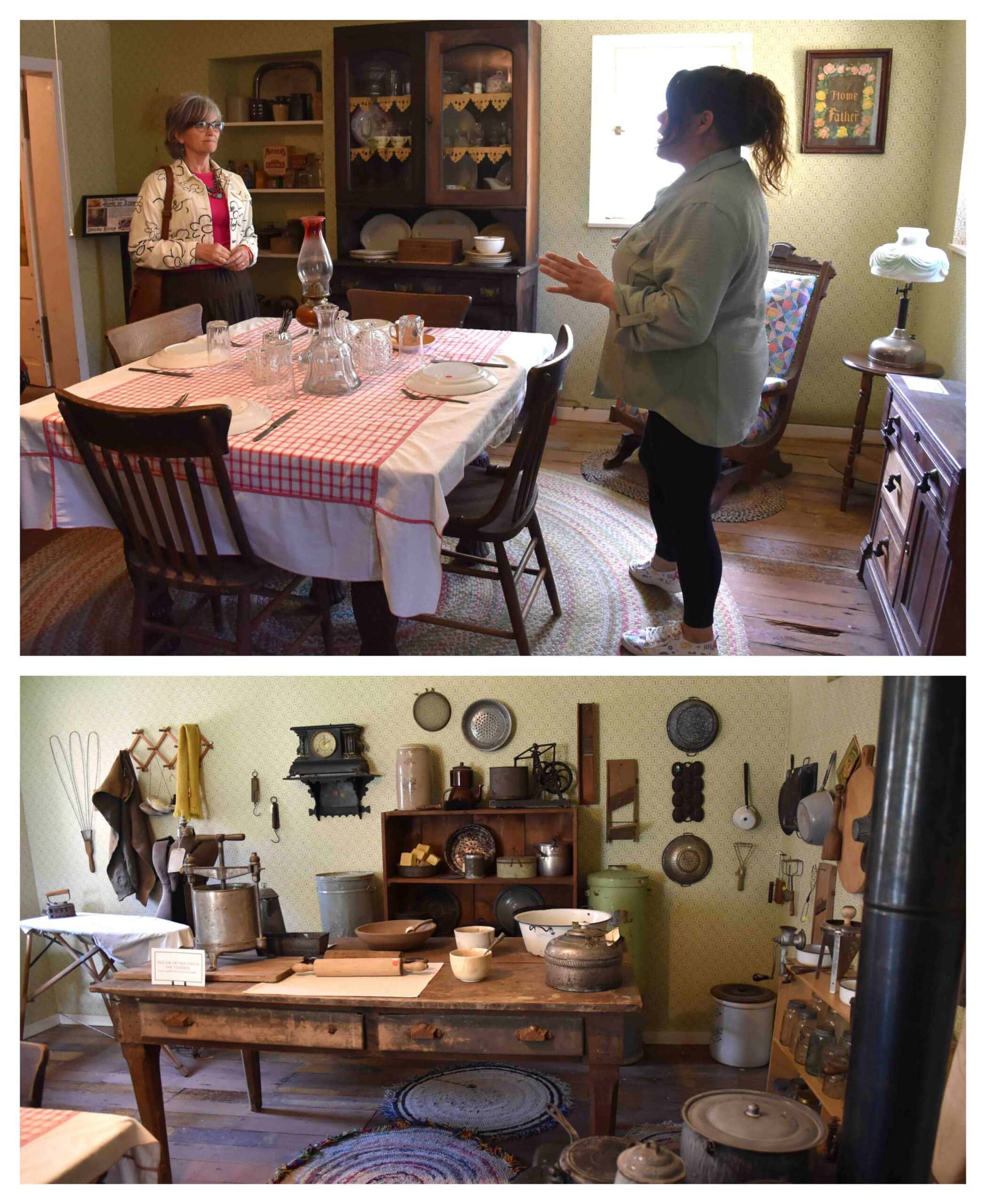
Leaving the elegance of the parlor behind, we made our way downstairs into the basement kitchen. The change in atmosphere was immediate. This was where the real work of maintaining a household took place.
Placing the kitchen below the main floor was a practical decision. The naturally cooler temperatures helped preserve food before refrigeration became available while keeping cooking heat away from the family’s living areas during the hot Kansas summers.
Heavy cast iron cookware, sturdy preparation tables, and period utensils reminded us that preparing every meal required considerable effort. Baking bread, preserving vegetables, smoking meat, and heating water all demanded hours of labor that modern families rarely consider.
The kitchen also tells part of the Mueller family’s changing fortunes. The devastating blizzard of 1886 wiped out much of John Mueller’s cattle herd, while fires damaged several of his business interests. Faced with financial setbacks, he eventually returned to St. Louis. In 1890, Adam and Elizabeth Schmidt purchased the fully furnished home, a decision that unknowingly preserved much of its original character for the future.
Gathering Around the Family Table
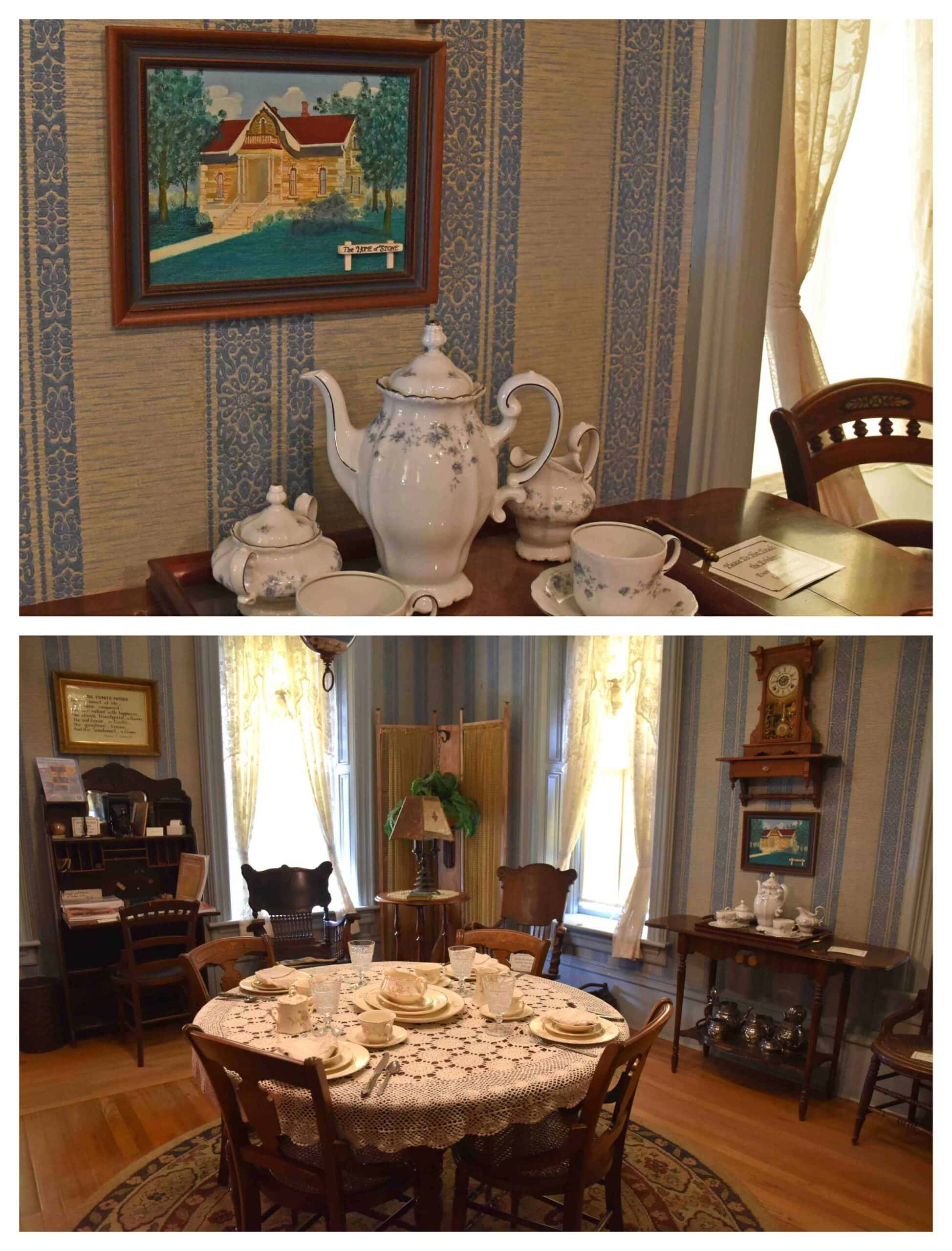
Back on the main floor, the dining room offered another reminder that Dodge City’s history extends far beyond famous gunfighters.
Here, family dinners, holiday celebrations, and conversations around the table helped shape the next generation. Victorian etiquette influenced everything from serving meals to entertaining guests, even on the Kansas frontier.
Looking around the room, we imagined discussions about changing weather, local businesses, church events, and neighbors rather than dramatic shootouts. Those everyday conversations helped build the community that Dodge City eventually became.
The Schmidt family continued living in the home for seventy years, raising children and preserving traditions that would have otherwise disappeared from history. Their long stewardship explains why the house feels remarkably authentic today.
A Staircase Built to Impress
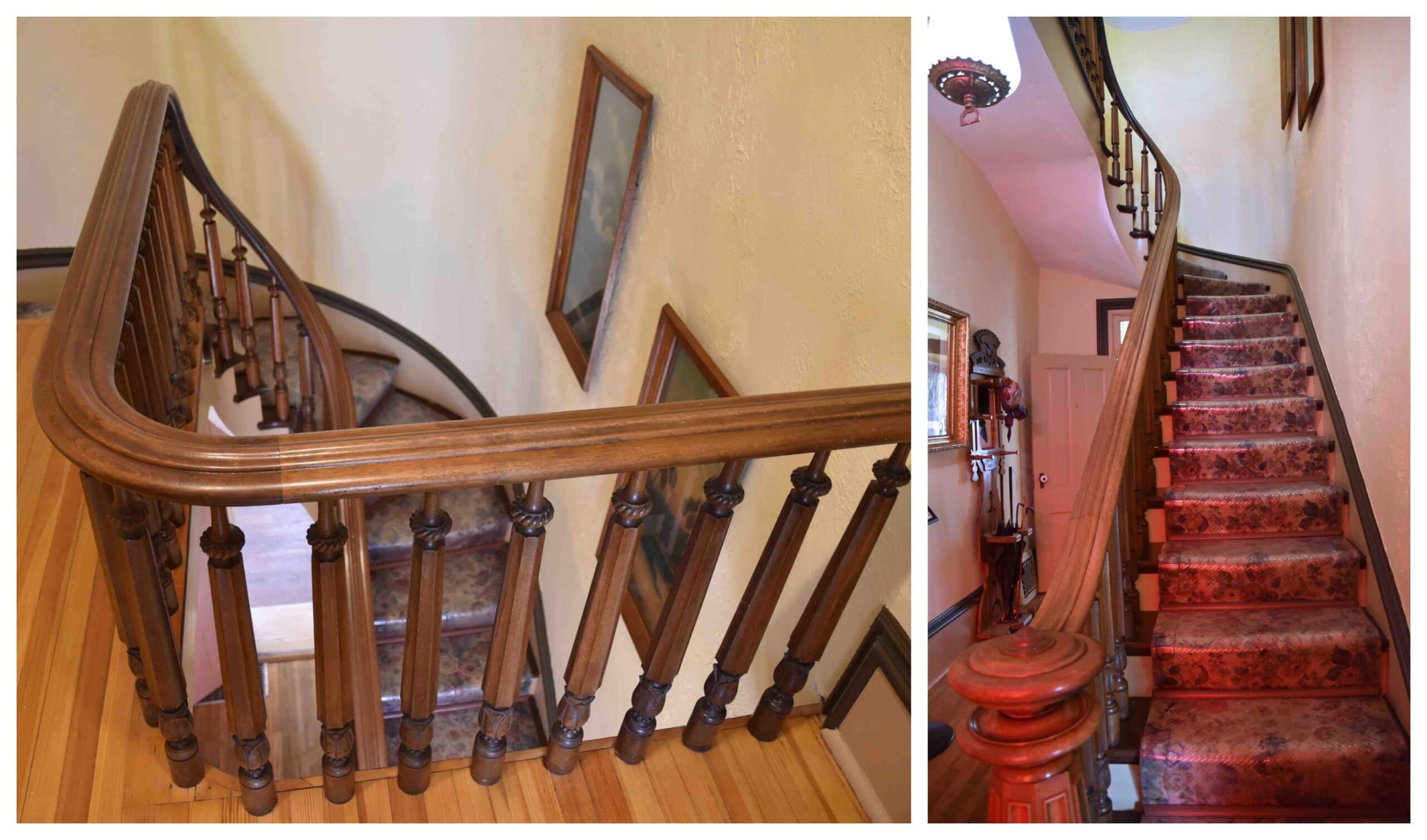
Before heading upstairs, we paused to admire one of the home’s most striking architectural features.
The magnificent walnut staircase was handcrafted in St. Louis, carefully shipped by rail to Dodge City, and assembled inside the house. Considering the challenges of transporting such elaborate woodwork across the developing West during the early 1880s made us appreciate the effort required to build a home of this caliber.
The elegant bird’s-eye maple newel post, finely turned balusters, and detailed craftsmanship remain every bit as impressive today. It serves as a reminder that frontier communities were capable of producing homes with every bit as much elegance as those found farther east.
Heinie's Bedroom Offers a Personal Connection
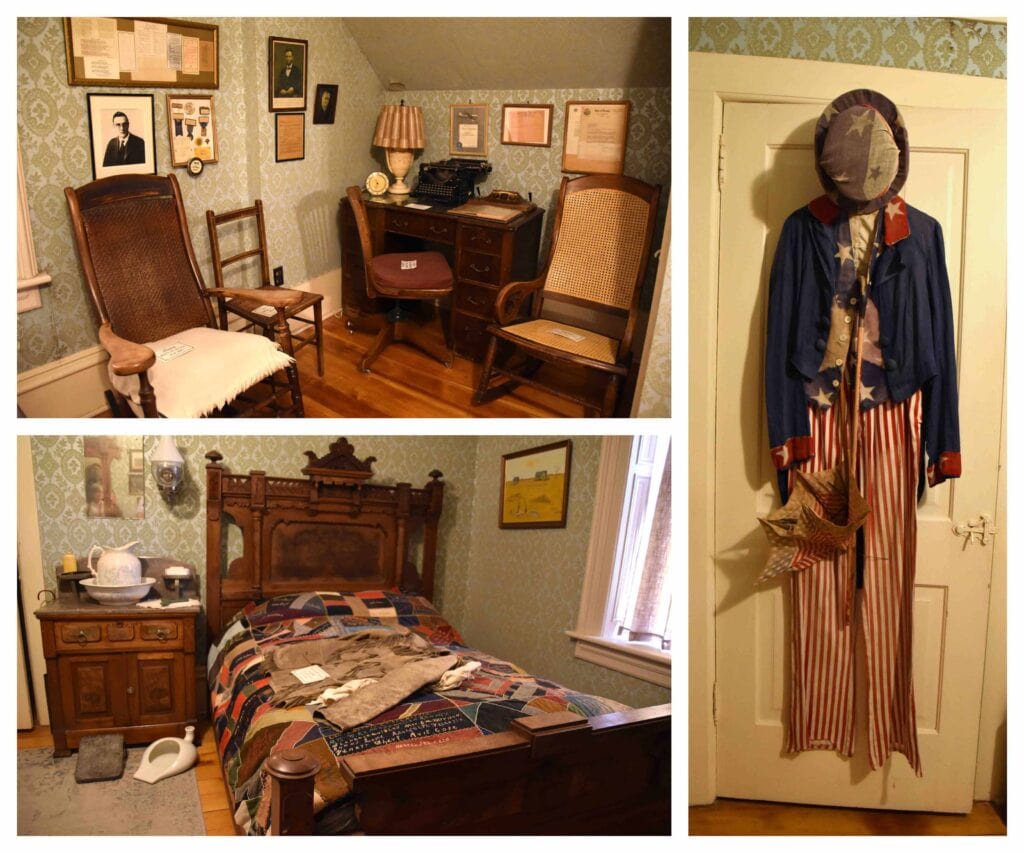
Upstairs, we stepped into the bedroom of Heinrich “Heinie” Schmidt, and history suddenly became much more personal.
His writing desk still occupies its original location, suggesting a man who enjoyed corresponding with friends and recording daily life. Nearby stands one of the home’s most memorable artifacts: the Uncle Sam costume Heinie proudly wore during Dodge City’s Independence Day celebrations.
Seeing these personal belongings transformed him from a historical figure into someone we could easily imagine meeting. He wasn’t simply preserving a house. He was living his life inside it.
Heinie never married and remained in the family home with his sister Elma until 1960. Their decision to preserve the home’s furnishings instead of modernizing it created one of Kansas’ finest historic house museums.
Elma's Room Reveals Everyday Comfort
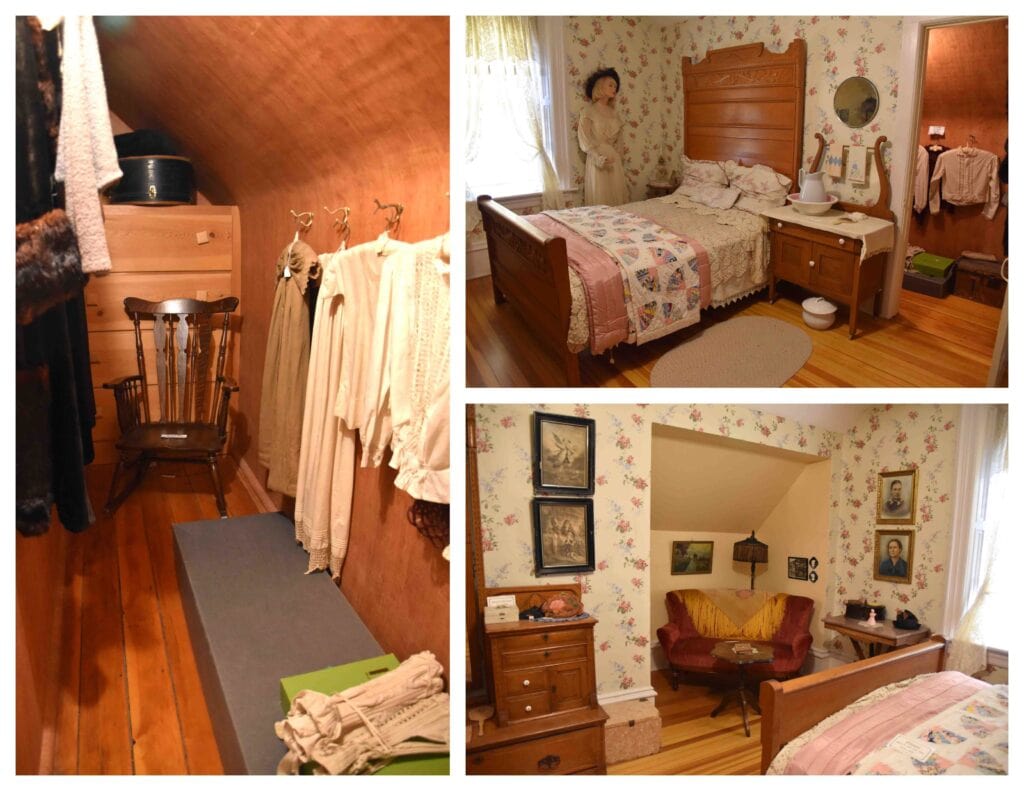
Across the hall, Elma Schmidt’s bedroom provided another intimate glimpse into daily life.
A cozy sitting area offered a quiet place to read or sew, while the room’s most unusual feature immediately caught our attention.
Unlike most homes of the late nineteenth century, this bedroom includes a built-in interior closet. At a time when wardrobes and armoires served most families, built-in closets were considered a luxury that reflected both thoughtful planning and financial success.
Small details like this often tell us more about history than grand monuments. They reveal how families actually lived, what conveniences they valued, and how quickly life on the frontier was evolving.
Why the Mueller-Schmidt House Still Matters
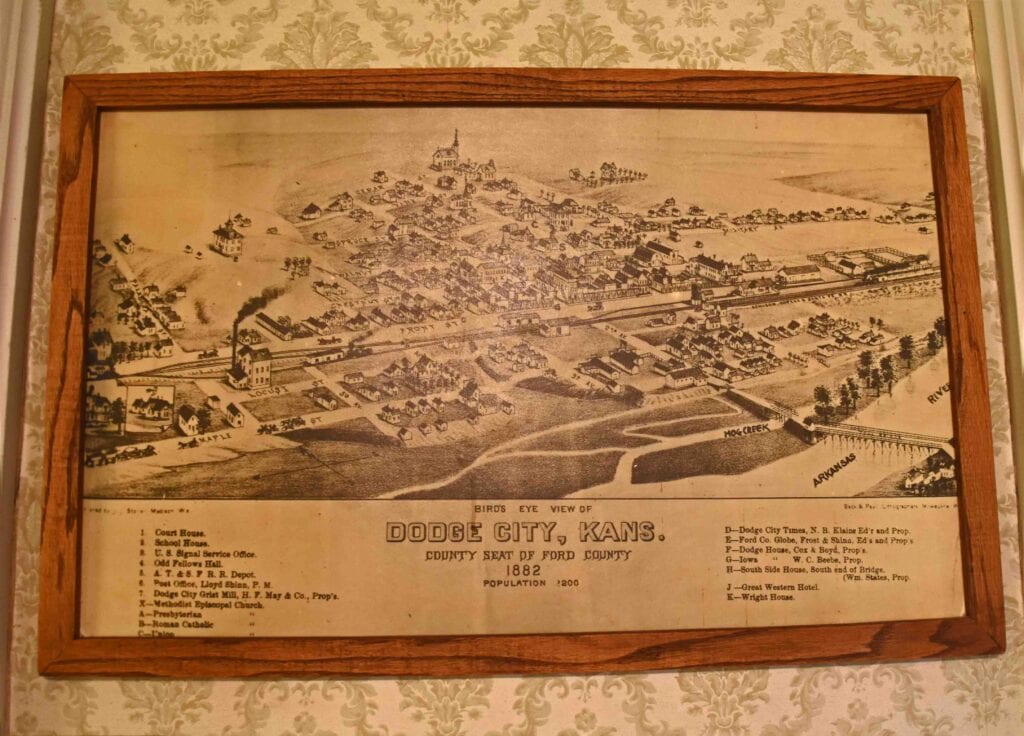
As we returned to the main floor, we found ourselves thinking less about Dodge City’s legendary law enforcement officers and more about the ordinary families who quietly built lasting lives here.
The Mueller-Schmidt House preserves an important chapter of western history that is often overshadowed by tales of cattle drives and saloons. It reminds us that every frontier town depended on merchants, artisans, immigrants, and families who believed enough in their community to invest in its future.
Today, the home is operated by the Ford County Historical Society at 112 East Vine Street. Admission is FREE, although donations are encouraged to help preserve this remarkable landmark. Seasonal hours vary, so checking the society’s website before your visit is recommended.
If you’re planning a trip to Dodge City, don’t visit only Front Street and Boot Hill Museum. Make time for the Mueller-Schmidt House, as well. We left with a deeper appreciation for the people who transformed a rough cattle town into a thriving community. That perspective made our entire visit to Dodge City even more meaningful.



Great post.
Thanks. We loved the idea that Laura Ingalls viewed the same property.