
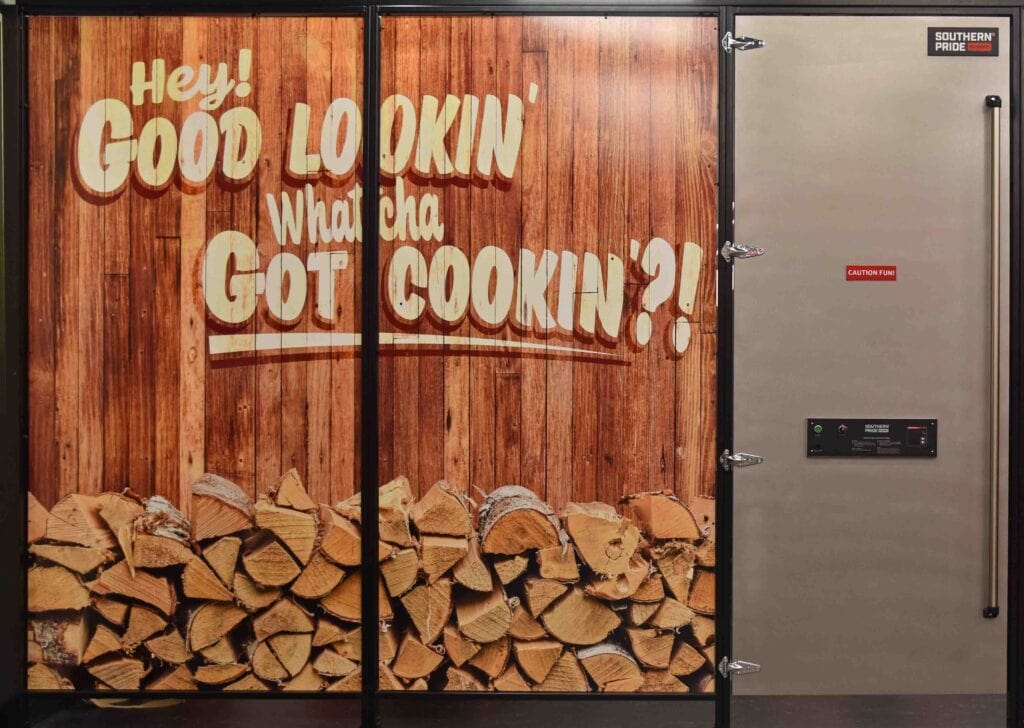
We felt a familiar sense of hometown comfort as we walked into the Museum of BBQ. We were exploring a place that celebrates the flavors and stories we have grown up appreciating right here in Kansas City. The Museum of BBQ set the stage for a journey through American barbecue traditions while still carrying the warm spirit of our own community. It was the kind of visit that reminded us why Kansas City BBQ has always felt like part of our personal story.
Being locals gave the experience a different rhythm. We were not discovering Kansas City through the eyes of travelers this time. Instead, we were peeling back a layer on something that has shaped our neighborhood meals, our conversations, and our weekend wanderings for years. Walking through those doors felt like finding a new chapter in a book we thought we already knew well.
Every display called to mind meals from past travels where smoke curled above pits in Carolina towns, Texas crossroads, and Mississippi Delta neighborhoods. Here in Kansas City, those memories seemed to gather under one roof, inviting us to follow the long path of American barbecue traditions with renewed curiosity.
. We want to thank the Museum of BBQ for hosting our visit. Rest assured, all photos and opinions are our own.
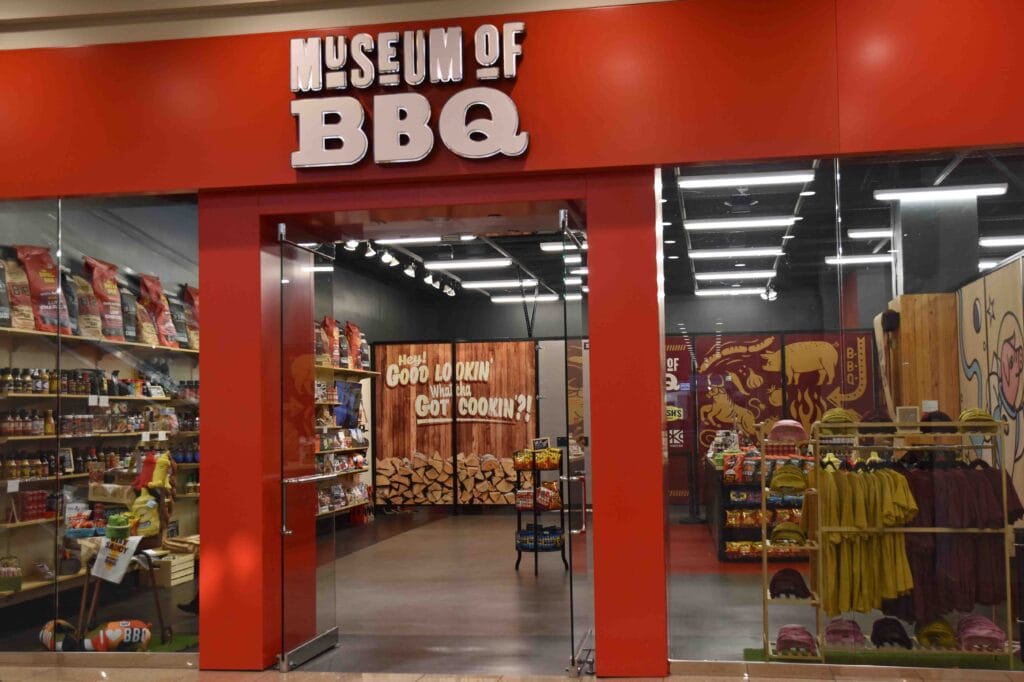
Finding Our Way Around This Flavor Filled Museum
The museum rests comfortably inside Crown Center, a place we have wandered through many times during our Kansas City adventures. Its central location makes it easy for travelers and locals to reach, and we felt that familiar sense of welcome as soon as we stepped inside. Regular hours currently run from 10 in the morning to 6 in the evening, though they may shift with the season. Admission is $15 for adults, with reduced pricing for children and seniors. That balance makes it an inviting stop for nearly any itinerary.
We were greeted like old friends and found ourselves drifting into familiar BBQ-based conversation. The museum is self-guided, but we were offered some helpful advice to optimize our visit. After checking out the wide range of sauces for sale (so many were familiar names), we were ready to begin our smoke-filled journey through BBQ history.
Letting the Smoke Tell Its Story
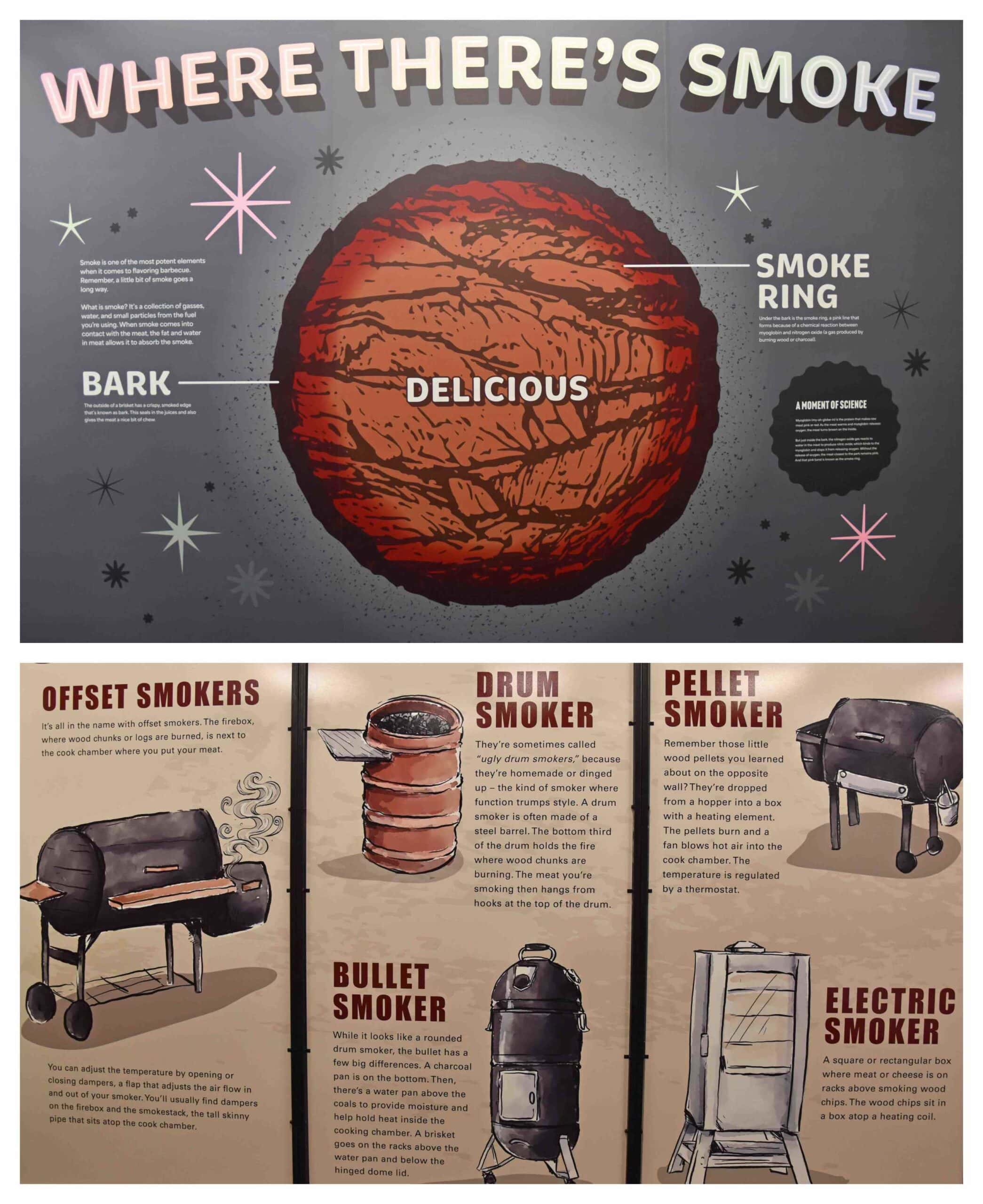
Smoke has always been our quiet guide at barbecue spots across North America, and the museum captured its importance with a clarity that drew us in. We stood before a display that showed how a proper bark begins to form when spice rubs meet low heat and steady smoke. It reminded us of moments when we saw that dark, textured surface on brisket or ribs and knew we were about to taste something shaped by time rather than haste. A strong bark signaled a confident hand behind the pit.
A nearby display introduced different types of smokers, each offering its own personality. We learned how offset smokers work: heat travels from the firebox into the main chamber, giving the cook firm control over airflow. Vertical smokers use rising heat that circulates through stacked racks, while pellet smokers rely on compressed wood for precise temperature control. Seeing them side by side reminded us that every style, from traditional brick pits to modern steel rigs, shapes the final bite in its own quiet way.
Seeing the science presented so plainly made us appreciate how much technique hides behind each plate. Learning how smoke works its slow magic feels familiar now.
Playing Our Way Through Barbecue History
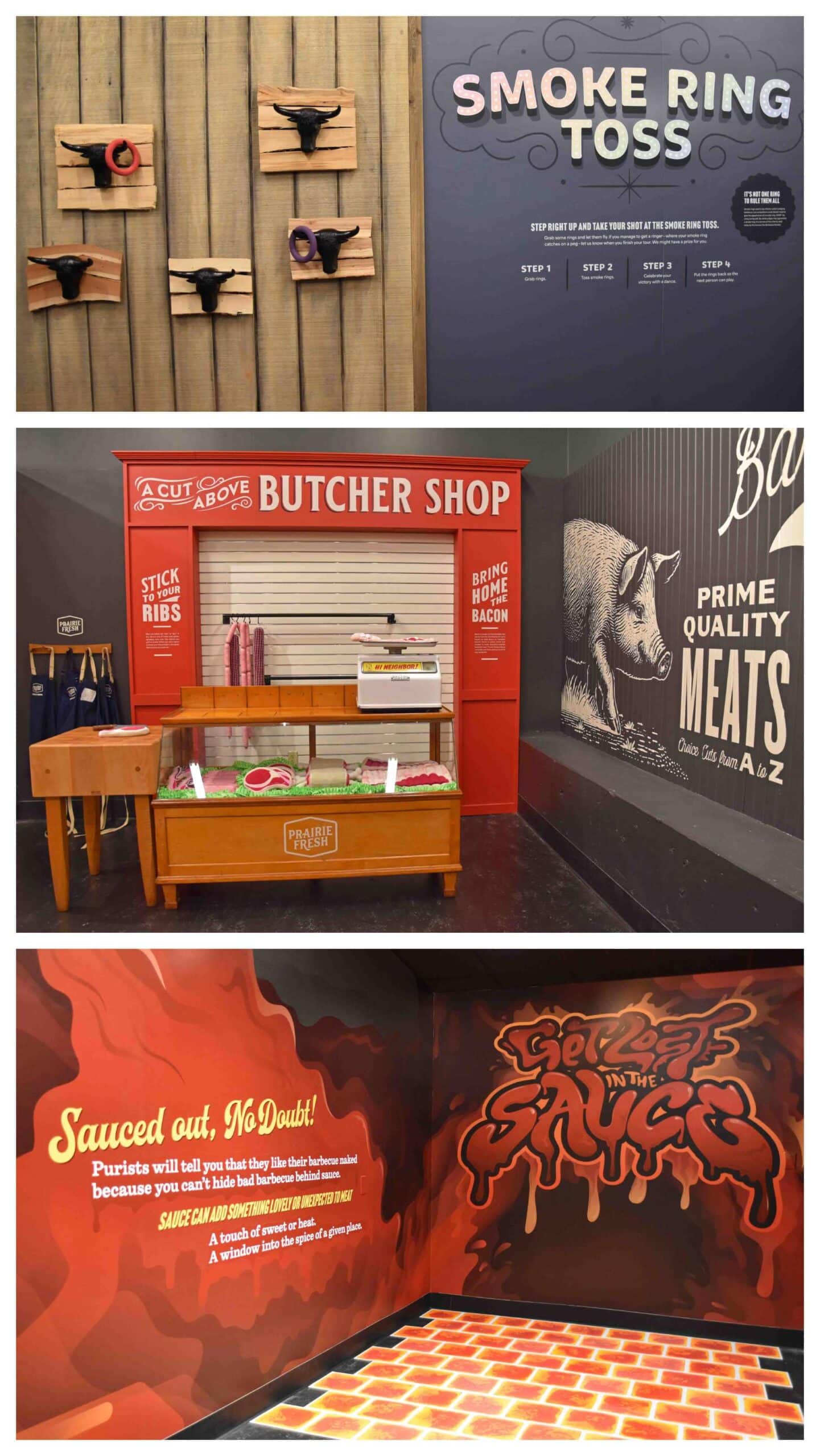
The museum surprised us by going far beyond static displays. It invites visitors to step directly into the story through thoughtful hands-on experiences. We appreciated how these interactive moments added movement and laughter to a subject that is often taught through quiet observation. It created a sense of play that made history feel alive.
The smoke ring toss taunted us as we took turns trying to land a ring on the mounted horns. It carried the same spirit we have found at roadside attractions, where simple games spark shared joy and elicit plenty of laughs.
The butcher shop play area added another layer of immersion. It echoes the early markets where butchers shaped the traditions that would guide American barbecue. I enjoyed donning an apron and serving up Crystal some fresh-cut selections.
The sauce pad station rounded out our playful experiences, as we stepped across soft, squishy pads. Before long, we found ourselves dancing to the vibe of a Saturday barbecue. This exhibit reminded us how creativity and flavor often go hand in hand.
Wandering Through the Woods
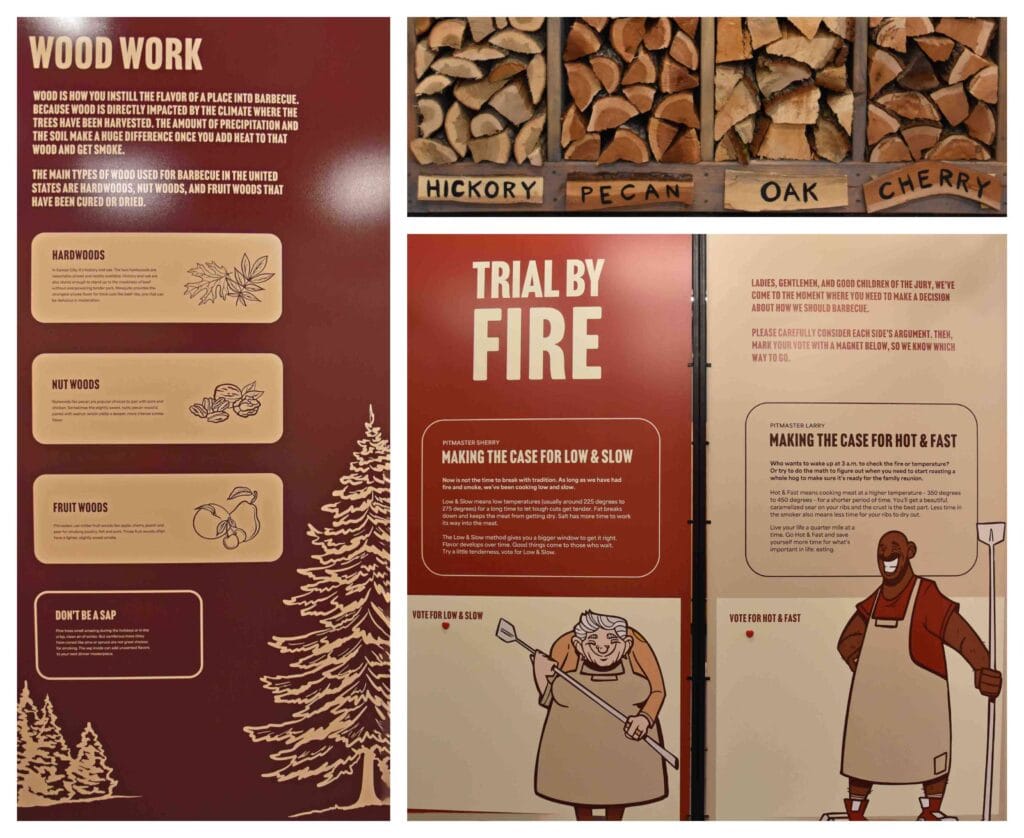
A wall lined with smoking woods invited us to imagine how flavor begins long before the meat reaches the pit. Hickory, pecan, oak, and cherry each carried memories from past trips where the wood choice shaped everything about the final bite. We thought back to one of the most unique experiences when we visited a smokehouse in Quebec City. We know that Kansas City BBQ often leans on hickory for its rich and steady burn, while apple or cherry softens the edges of pork with a gentle sweetness.
The museum deepened the experience by highlighting the difference between low-and-slow cooking and the hot-and-fast technique that has become popular in some modern settings. Low and slow relies on controlled heat and patient smoke to break down connective tissue and draw flavor deep into the meat. Hot and fast uses higher temperatures to create tenderness more quickly while still preserving a kiss of smoke. Standing there, we remembered meals shaped by both methods and how each left its own impression.
Looking at the woods again, we felt reminded that flavor begins with the land itself. The trees, the climate, and the way each region learned to use them all play a part in the story. This wall of wood made us appreciate how every pitmaster starts with the same simple choice and ends with a creation that carries the identity of the place it was cooked in.
Walking Into the Heart of Texas Beef Culture
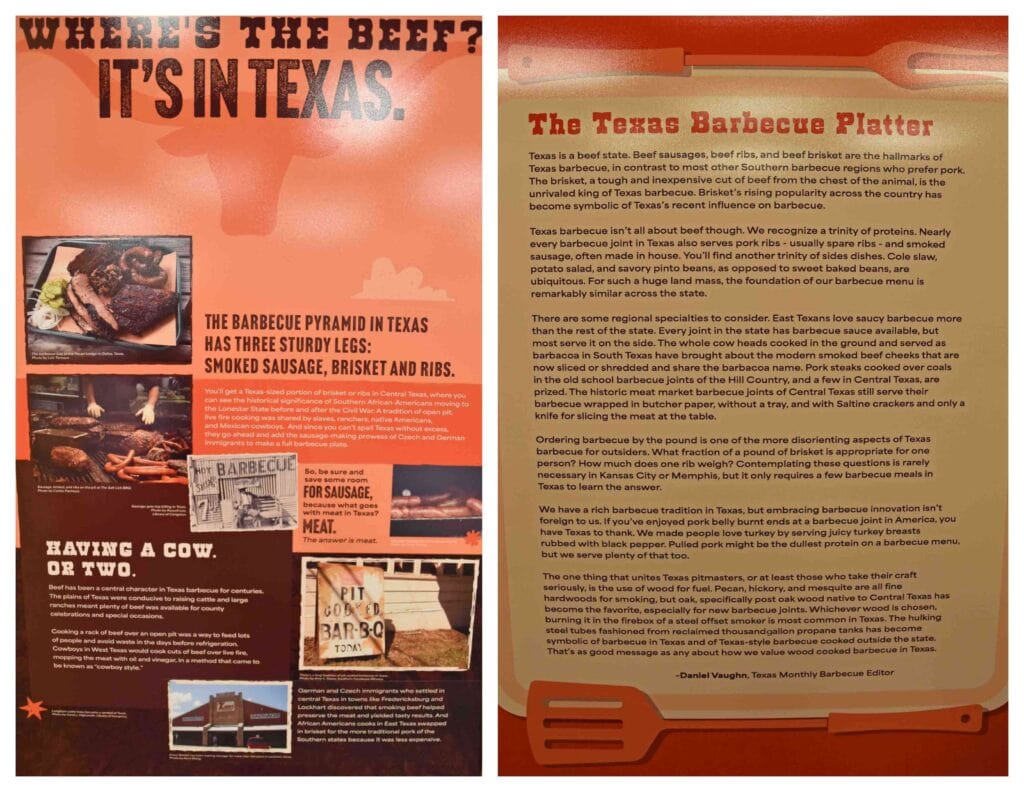
Texas BBQ is filled with the spirit of open skies and long cattle trails. We examined a display that explained how brisket became the centerpiece of Texas identity, shaped by ranching heritage and long days of smoking over steady heat. We felt transported back to our first Texas smokehouse, where the pitmaster sliced brisket onto butcher paper.
The museum highlighted the rich crust and deep flavor that define Texas plates, and we found ourselves nodding as we remembered meals shaped by pepper, patience, and proud tradition.
Exploring Texas Traditions One Region at a Time
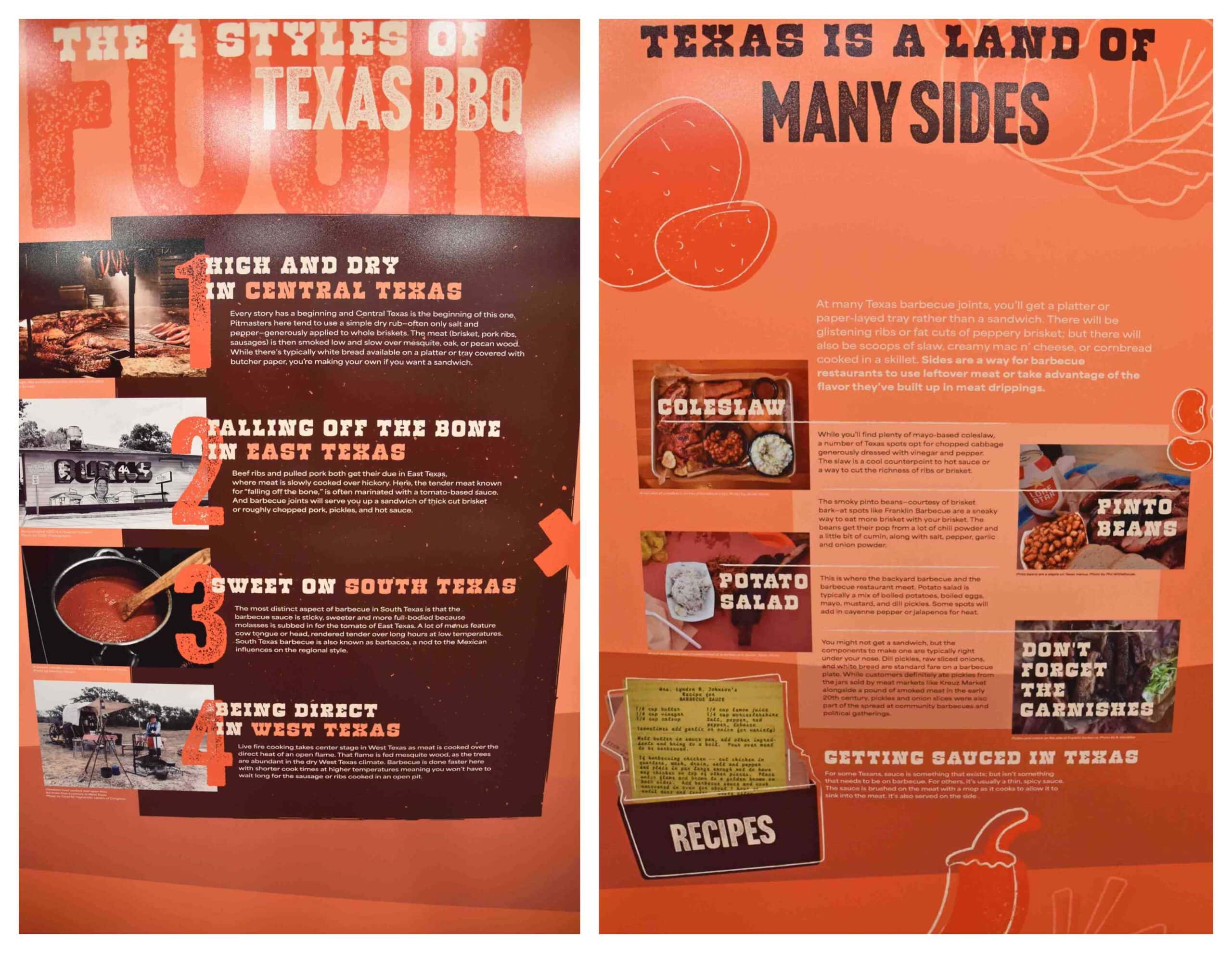
Texas carries so many stories within its vast borders. Central Texas celebrates simple seasoning, while East Texas leans toward sweeter sauces. South Texas adds its own influence from border culture, and each region claims a side dish that completes the meal. We recalled evenings when a bowl of pinto beans or a scoop of creamed corn turned a good plate into something unforgettable.
The museum handled these differences with clarity and warmth, helping us appreciate how every town and diner adds its own voice to the larger Texas conversation.
Sinking Into the Soft Joy of the Bean Ball Pit
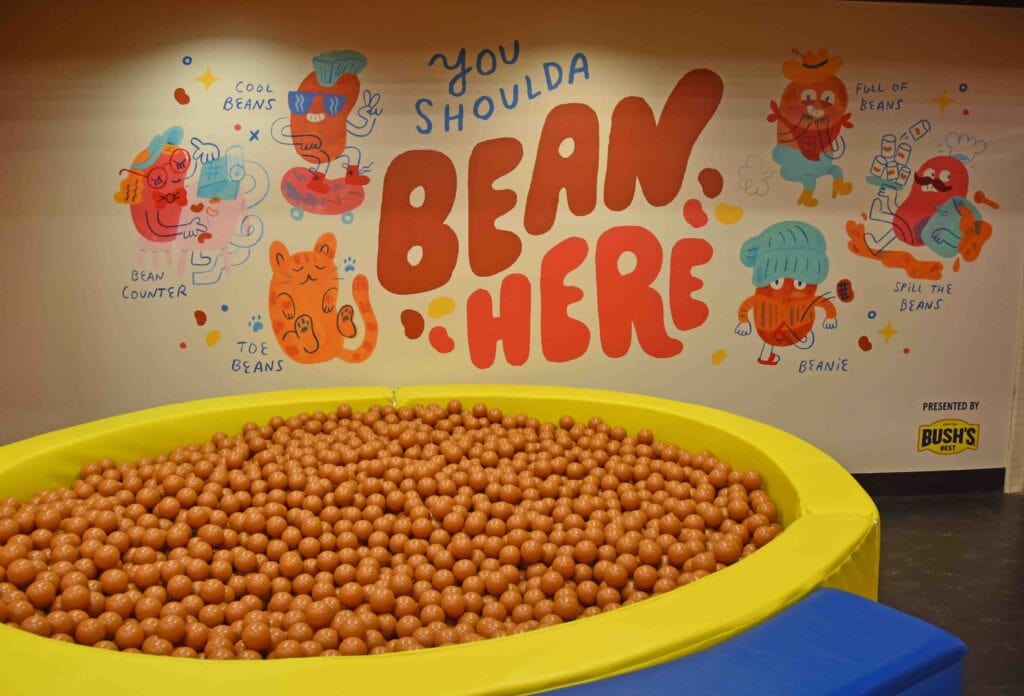
During our exploration of side dishes, we happened on a giant bean ball pit. The soft spheres were designed to replicate a bowl of baked beans, and we couldn’t wait to dive in. Inside, we felt like kids again, and soon the room filled with our laughter.
The bean pit felt like a gentle reminder that barbecue has always been more than technique. It has been a source of connection and shared delight, and the museum captured that spirit beautifully.
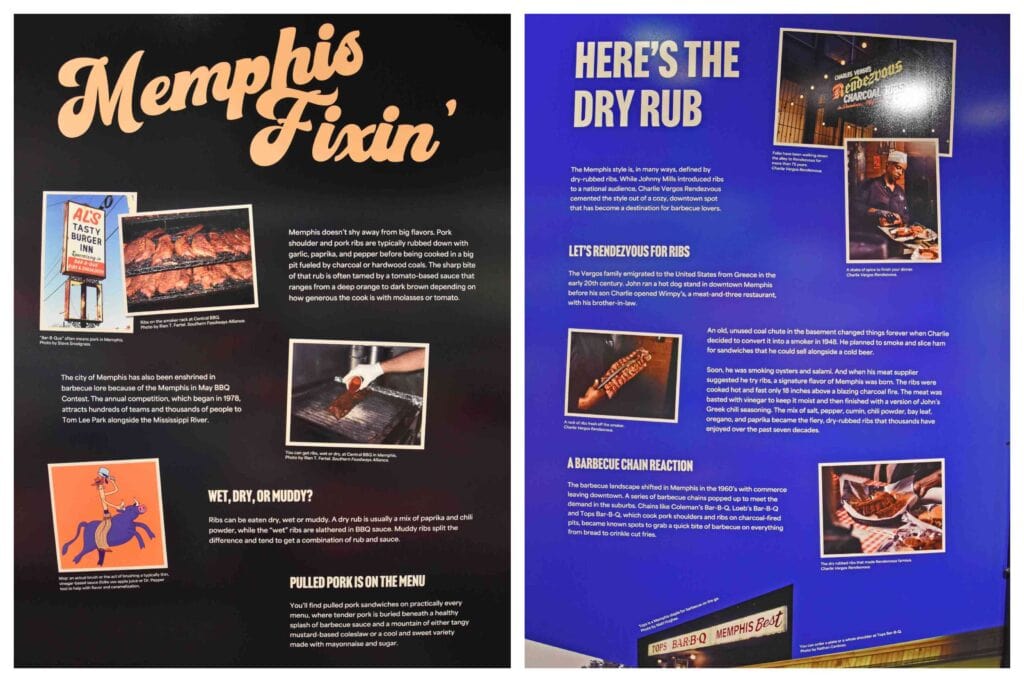
Remembering Memphis One Rib at a Time
After finally escaping the bean pit, we moved further into our study of regional barbecue techniques. The Memphis section brought us back to plates of dry-rub ribs we discovered during a visit to Beale Street. We could almost taste the blend of paprika, pepper, and smoke as we stood before the displays. We remembered reading about pitmasters who believed that ribs should stand tall on their own without hiding behind sauce.
The museum honored this tradition with respect, reminding us that Memphis helped shape the broader landscape of American barbecue. It’s a strong belief that we can sink our teeth into, and have whenever we visit the “Home of the Blues”.
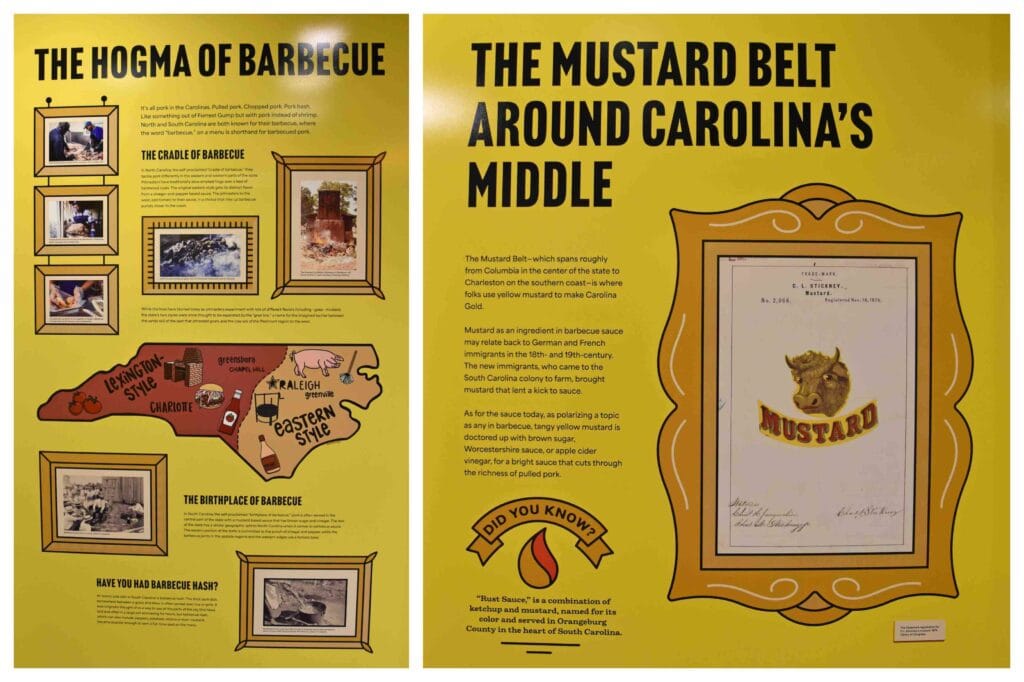
Following the Mustard Trail Through Carolina
Reading about Carolina BBQ felt like entering the cradle of American barbecue, a place where whole hog cooking shaped the earliest traditions that would later spread across the country. The coastal communities and inland farms began developing their own methods long before barbecue became a national passion. We admired how the mustard-based sauce emerged from the influence of German settlers, creating a bright, tangy flavor that has become a signature of the region.
We have never stood beside a Carolina pit as a whole hog was lowered inside, yet we have tasted the remarkable results. The museum helped us understand how long and steady heat transforms the entire hog into tender layers that carry both smoke and subtle sweetness. We remembered meals where the meat seemed to melt beneath the fork and where mustard sauce added a lively note that stayed with us long after the plate was empty. Thinking back on those moments reminded us why Carolina remains such an essential chapter in the story of barbecue and why its influence can still be felt at tables across North America.
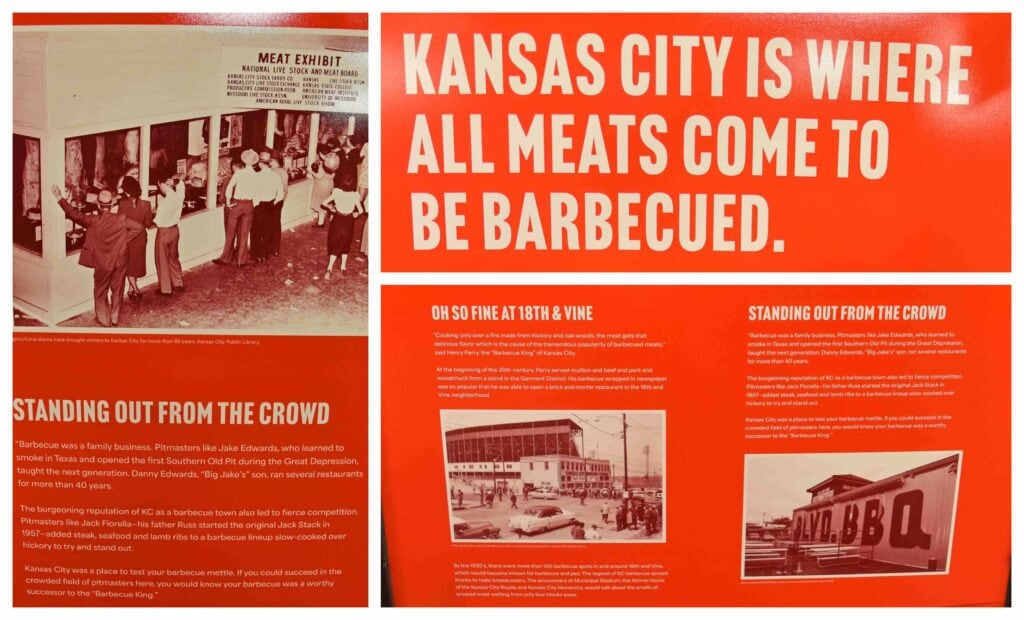
Coming Home to Kansas City Variety
The Kansas City BBQ section welcomed us with its wide range of meats and flavors. Burnt ends, ribs, sausage, turkey, and chicken all found a place in the local story, and the museum captured that abundance with pride. We always loved how Kansas City embraced creativity while still honoring the foundations of slow cooking.
As locals and travelers, we felt proud to see our hometown’s style represented with such balance. It reminded us why Kansas City BBQ has become a crossroads of traditions across North America.
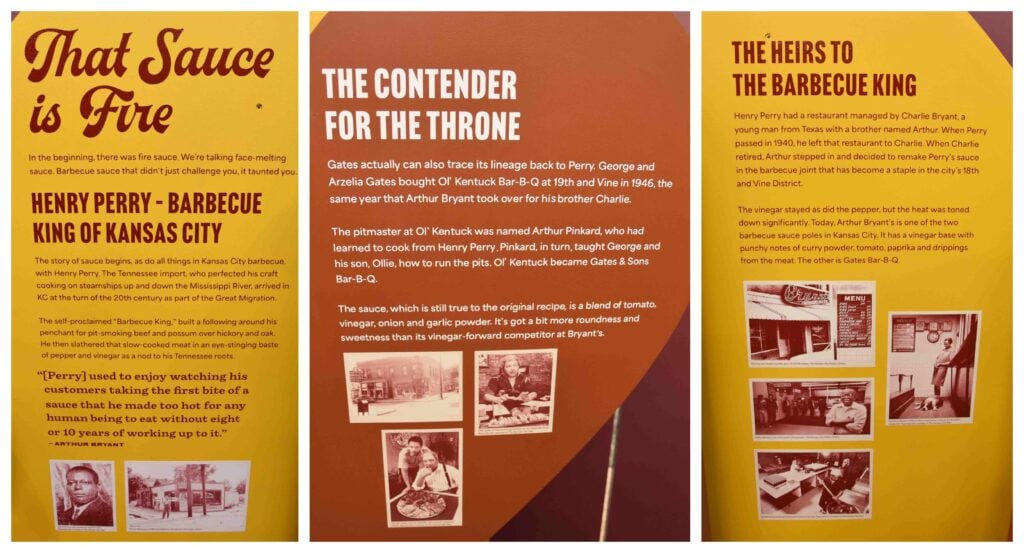
Meeting the Legends Who Built Kansas City BBQ
When we reached the section honoring Henry Perry, we stood quietly for a moment, letting his story settle in. Perry arrived in Kansas City in the early twentieth century and began serving smoked meats wrapped in newsprint to workers along the riverfront. His bold seasoning and steady smoke created a style that felt distinct even in its earliest form. The museum explained how his tiny stand grew into a local fixture and how his influence helped shape the expectations of a city that would come to cherish barbecue as part of its identity.
As we moved farther into the gallery, we felt the presence of the Gates family, whose growth from a single restaurant into a celebrated Kansas City institution showed how Perry’s foundation inspired new generations. Their commitment to flavor and community helped define a period when barbecue became a shared experience across neighborhoods. The museum also highlighted Arthur Bryant, whose restaurant became a destination for travelers, writers, and anyone who believed that a plate of ribs could reveal something honest about a place. His approach connected simplicity with character, creating meals that people still remember years after their first visit.
Walking through these stories reminded us how Kansas City BBQ was shaped not by one hand but by a lineage of cooks who understood the power of smoke, seasoning, and generosity. Each figure refined the craft while honoring the roots laid down before them. We left that section feeling grateful to live in a city where the founders of our favorite meals are remembered with such care. Their legacy continues to shape every new bite.
Taking a Tour of Sauces Across the Continent
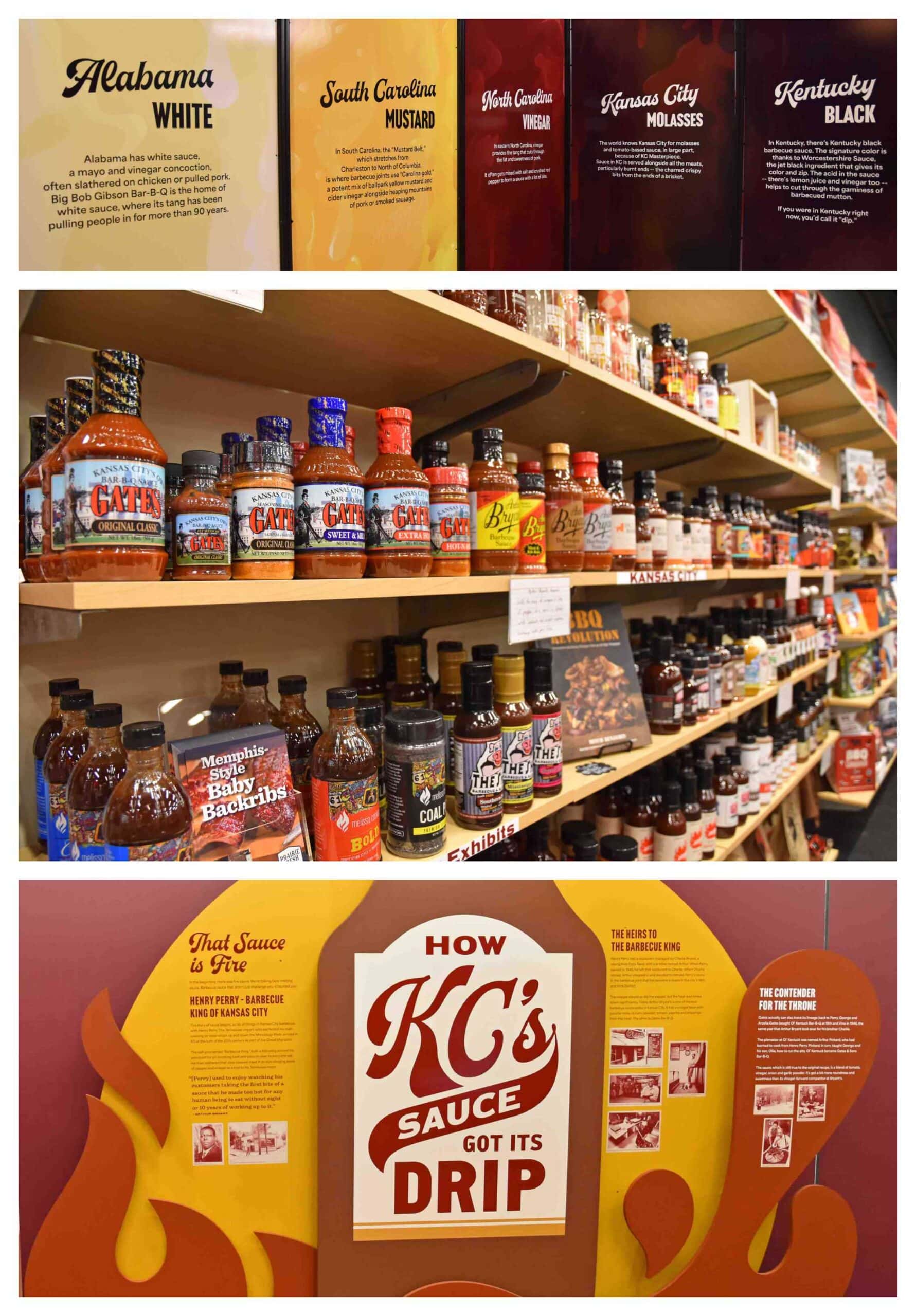
The museum devoted an inviting section to sauces, and we found ourselves studying the variations as if comparing old friends. Alabama white caught our eye first with its creamy tang born from mayonnaise, vinegar, and pepper. We remembered how this sauce pairs beautifully with smoked chicken and adds a gentle brightness to each bite. North Carolina vinegar represented an older tradition, one shaped by simplicity and a clean finish that cuts through the richness of pork in a way that feels both timeless and refreshing.
Kansas City molasses-based sauce is a familiar neighbor, carrying the deep sweetness and slow-cooked warmth that we have tasted in so many hometown meals. We appreciated how the museum traced its development through local cooking styles that value richness and balance. Kentucky black sauce introduces a very different note with its thin texture and bold, dark flavor built from vinegar and Worcestershire. We thought back to meals where its sharp character added a lively contrast to smoked mutton.
The exhibit also offered a friendly nod to the Carolina mustard traditions we explored earlier, reminding us that the German-influenced blend adds a sunny flavor that stands apart from the sweeter or sharper profiles found elsewhere. Texans are known for placing sauce gently on the side rather than letting it lead the meal. Standing before this wall of flavors, we felt grateful for the variety that stretches across North America and for the stories each bottle carries from pit to plate.
Feeling the Energy of the American Royal
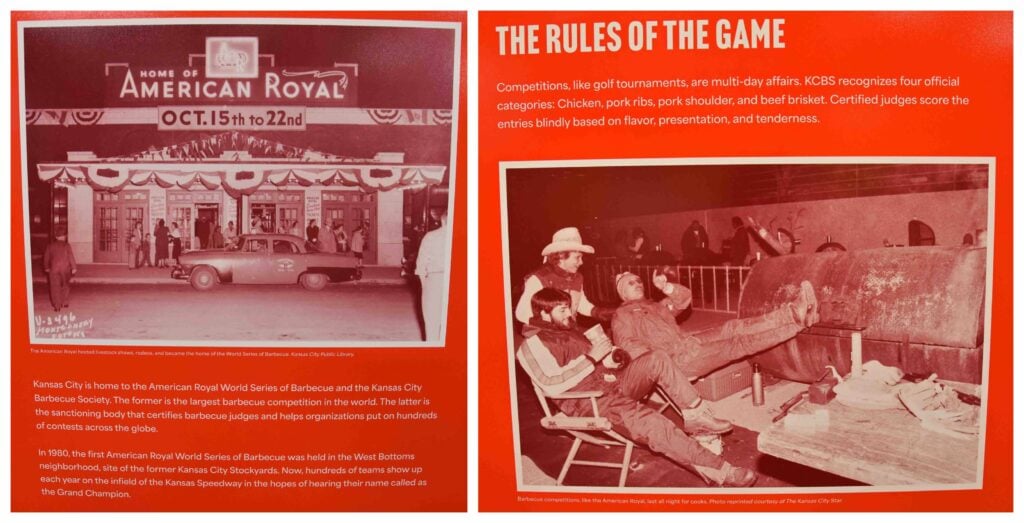
The museum devoted a thoughtful section to the American Royal World Series of Barbecue. This competition has shaped Kansas City’s identity for decades. The American Royal began as a livestock show in the nineteenth century and grew into one of the most respected barbecue gatherings in the world. Over the years, it has drawn pitmasters of every background and tradition. Each brings regional pride and personal history to the smoky fields where they compete for top honors. Learning how the event evolved helped us appreciate the depth of its influence on American barbecue culture.
We felt a personal connection to this part of the exhibit because we have been blessed with the opportunity to wander through the competitor camps during past events. Those visits stay with us even now. We remembered the glow of evening light settling over rows of smokers and the gentle rumble of conversation as cooks tended their fires. Every camp carried its own rhythm, shaped by family teams, seasoned professionals, and newcomers eager to make their mark. Standing in those spaces felt like stepping into a living story where tradition and creativity meet beneath drifting ribbons of smoke.
Celebrating Pork Ribs and the Joy of Sweet Heat
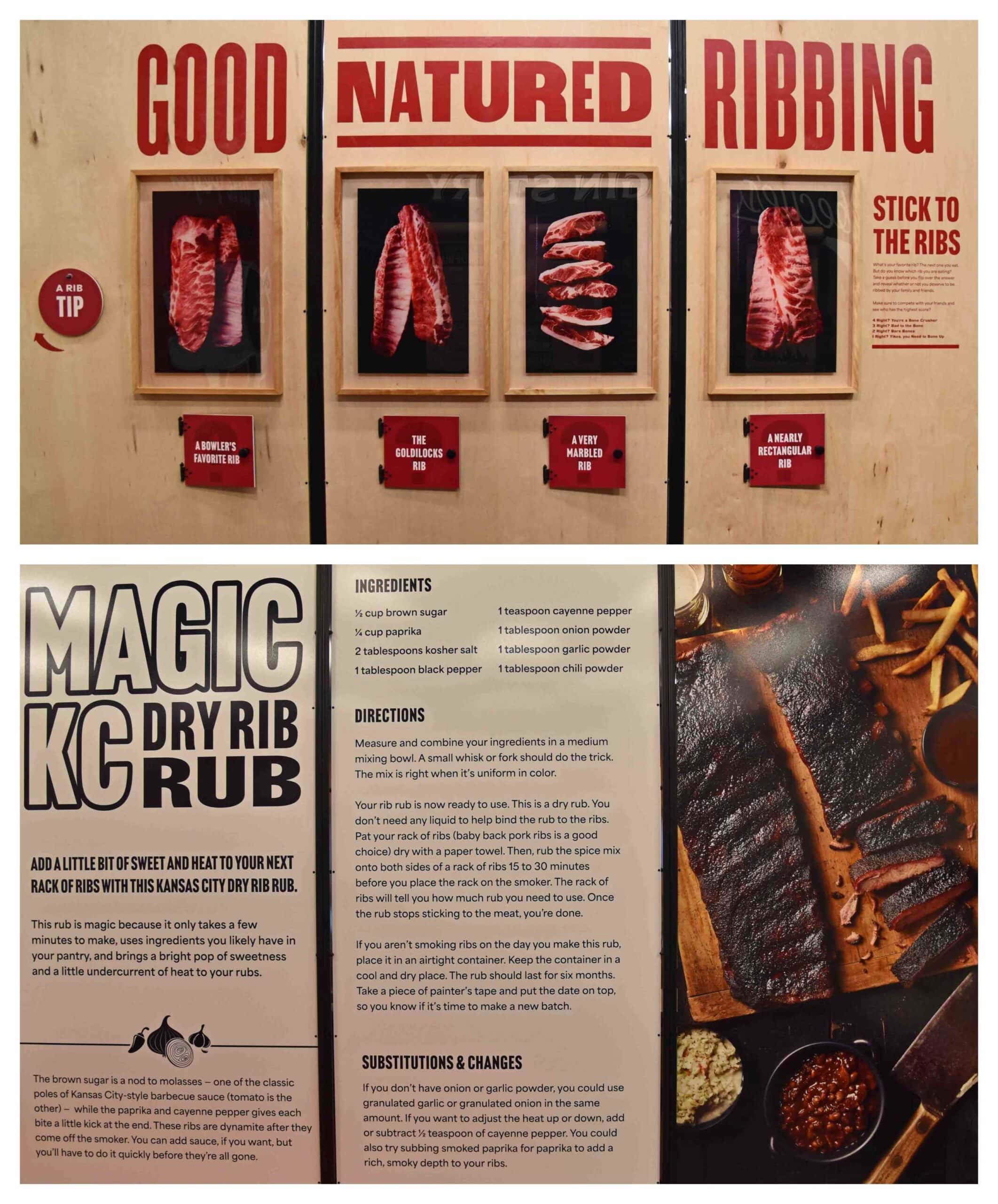
Ribs have always been one of my personal measures of a restaurant’s craft, and the museum gave this beloved dish the attention it deserves. We studied the displays and thought about the different variations that so many Kansas City pitmasters have perfected. Each type carries its own balance of tenderness and flavor. Baby backs offer a slightly leaner bite, while spare ribs deliver more profound richness and a texture that responds beautifully to long hours of smoke. The St. Louis cut sits between the two, trimmed for uniformity and prized for its steady, satisfying chew. The museum also acknowledged the bold presence of beef ribs in Texas, where the sheer size of a rib becomes part of the experience. We remembered trips when a single bone felt like an entire meal, and the slow rendering of fat created a flavor that lingered long after we left the table.
The museum included a tried-and-true recipe for Kansas City-style pork ribs, and we found ourselves smiling as we read through the steps. The method relied on a thoughtful rub that balances sweet and heat in a way that felt familiar to both of us. Reading it reminded us of afternoons spent tasting ribs across the city and noting how each pitmaster found their own expression within the shared tradition. Standing there, we felt grateful for the countless plates that have shaped our understanding of ribs and for the museum offering a recipe that felt both accessible and deeply rooted in Kansas City history.
Museum of BBQ Memories
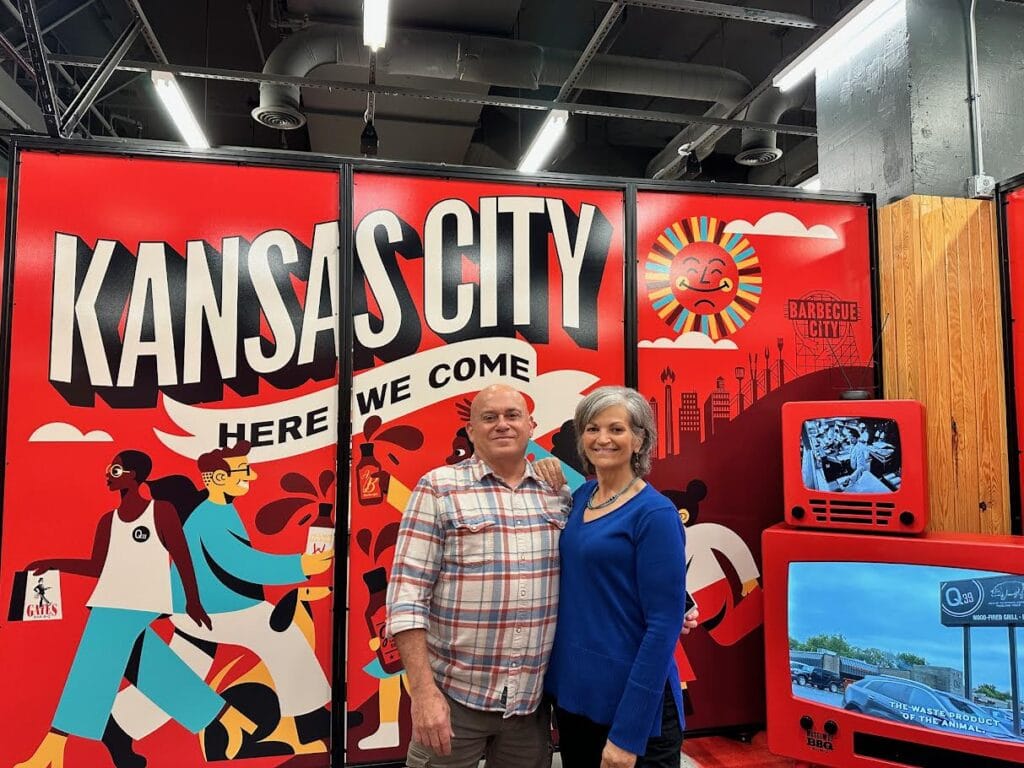
As we completed our tour of the Museum of BBQ, we felt grateful for the way it blended storytelling, flavor, and fun. The journey through smoke, history, and play reminded us why barbecue continues to connect people across North America.
Now we find ourselves curious about your story. Which regional style calls to you the most? Is it Texas pepper, Carolina tang, Memphis spice, or Kansas City sweet heat? We’d love to hear your rich stories of smoke and flavor. Drop a comment below with the best BBQ you’ve found in North America. We’d love to add it to our long list of favorites.


OMG! I so want to visit this museum. I live in a BBQ-poor town, so we have to travel to get anything good. I’m dreaming of a visit to Kansas City, where I can eat barbecue for days on end.
We hope your dream trip comes true. Feel free to peruse our BBQ restaurant articles on our “Kansas City Dining” page.